
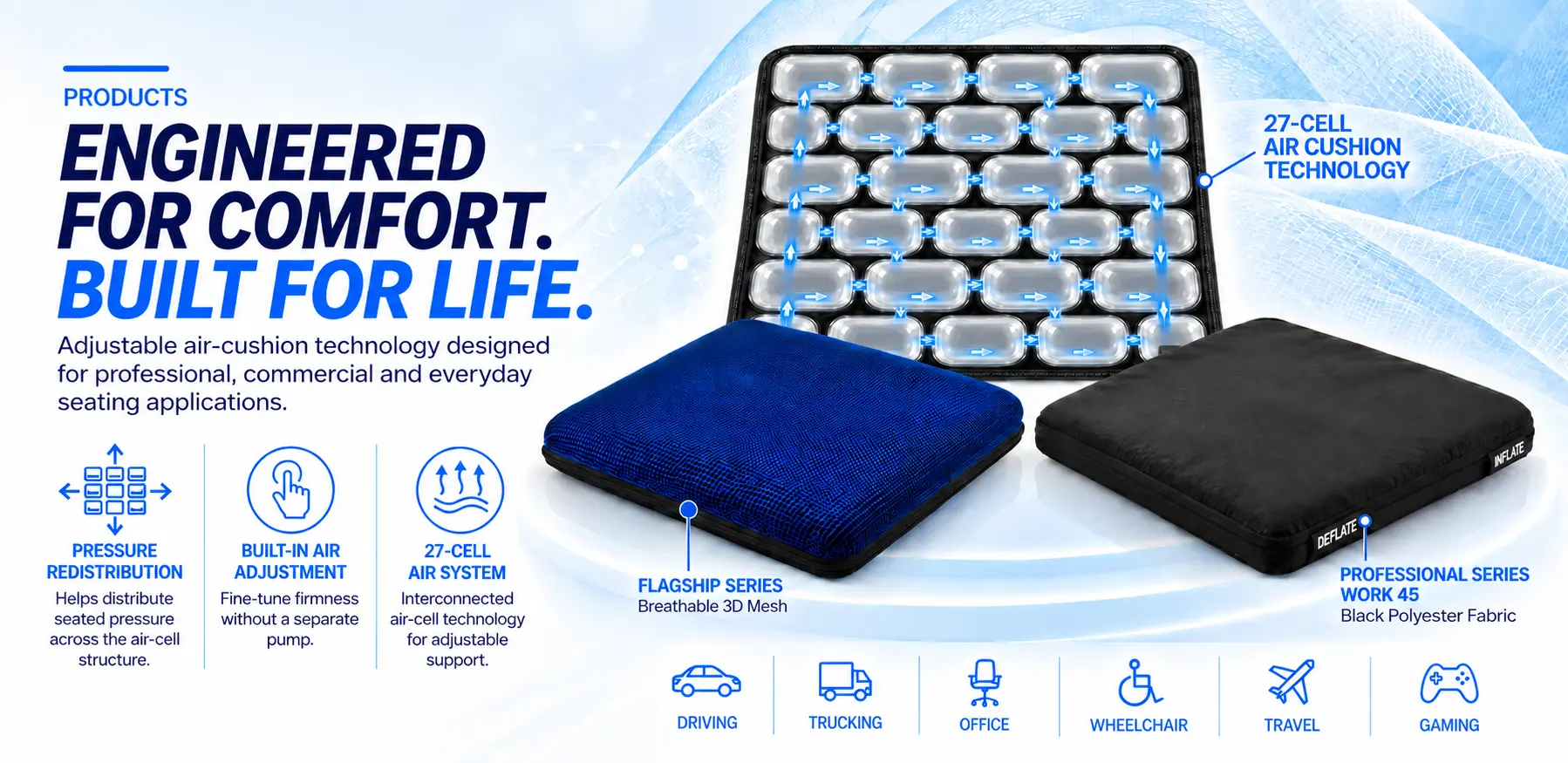
How should a buyer plan a first wholesale air seat cushion assortment? Start with the smallest product mix that can answer a real sales question: which model, color and channel combination earns enough demand to justify a repeat order. Keep the first order easy to explain, stock and review, then use sell-through and buyer feedback to guide the second order.
This approach is useful for distributors, retailers, fleet suppliers, corporate buyers and private-label partners. It turns a broad purchasing idea into a controlled assortment plan before a formal quotation is requested.
Define the Buying Question Before Selecting SKUs
A first order should answer one primary question. A retailer may need to learn which color is easiest to merchandise. A fleet supplier may be testing one professional model across several customer accounts. A corporate buyer may need a consistent product for an employee or driver program. An online seller may want a limited range that can be photographed and described clearly.
Write that question at the top of the assortment brief. It will prevent the order from expanding into too many colors, covers, packages or custom features before there is evidence that the added complexity is useful.
Choose the Product Series Before the Color Mix
AJ AIR CUSHION offers different series for different channels. The Products page separates the Work 45 Professional Series from 3D mesh flagship and retail collections. Select the series first because the cover construction, commercial positioning and minimum order quantity can differ by series.
Do not combine the Work 45 MOQ with the standard collection MOQ in one planning assumption. AJ’s current B2B Partnership page states that standard collections generally start from 100 pieces per model, while Work 45 has a minimum order quantity of 180 pieces. Customized, OEM and private-label requirements may have different minimums. The formal quotation remains the controlling document.
Build the Assortment Around Channel Roles
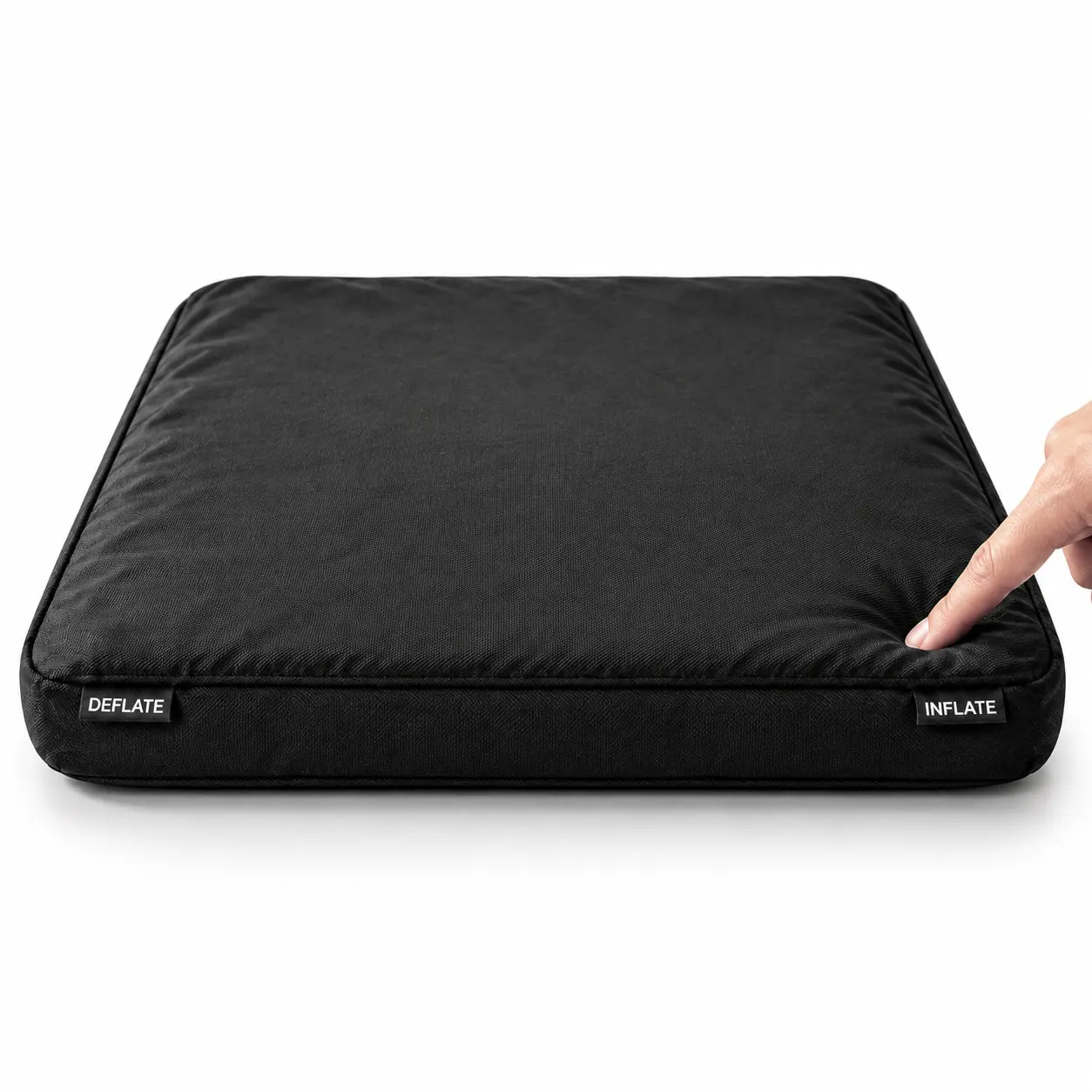
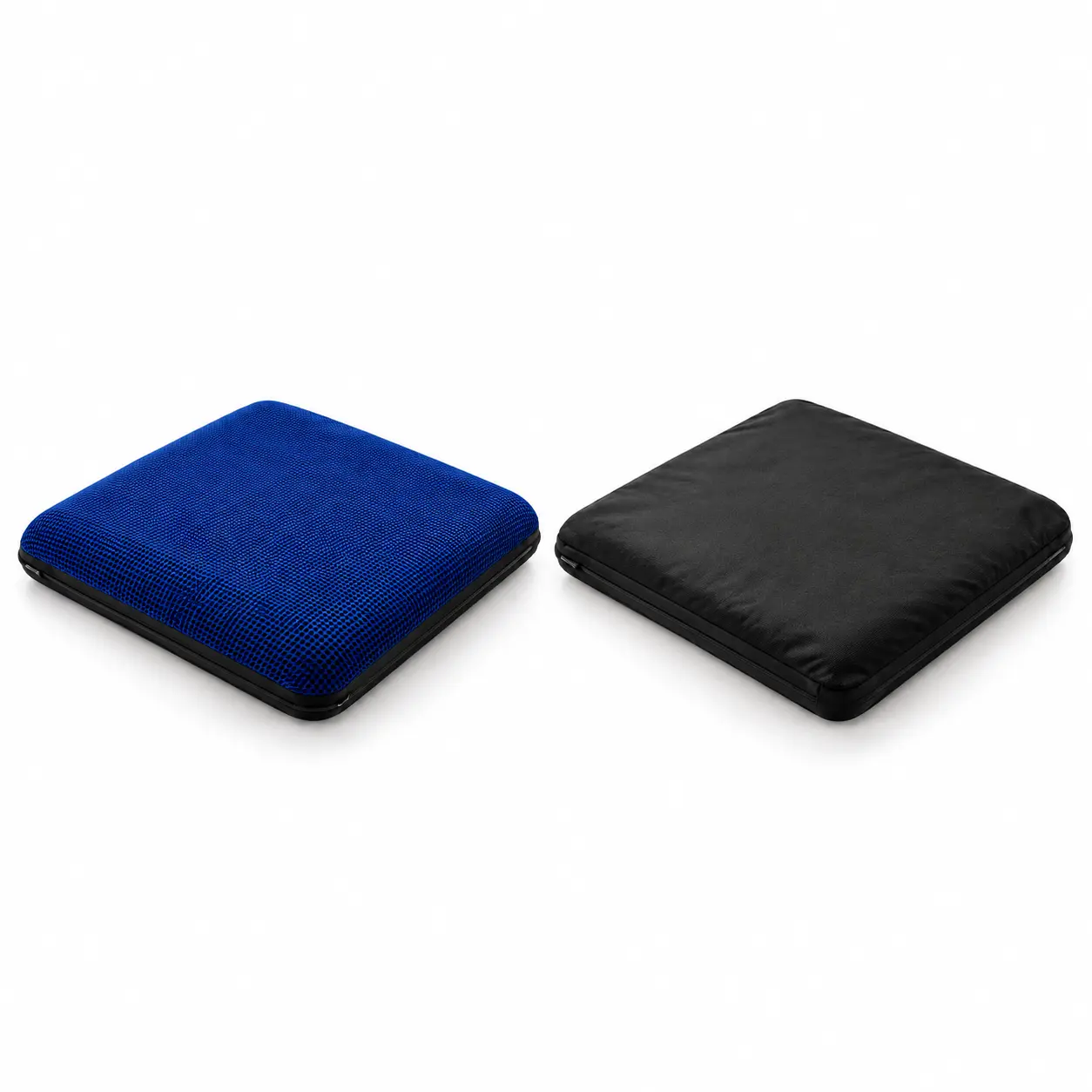
Each SKU should have a clear role. A neutral color may support broad workplace or fleet use. A stronger color can create visual distinction in online listings or specialty retail. A professional cover may suit commercial accounts, while a breathable removable 3D mesh cover may fit consumer-facing retail programs.
Keep the cover and inner air cushion specification separate. For the 3D mesh series, the outer cover is the removable breathable layer; the inner cushion is the adjustable air-support component. A buyer should confirm both items, along with the non-slip base and built-in controls, rather than treating “material” as one line in the order.
Use a First-Order Allocation Worksheet
Copy the worksheet below into the purchasing brief. The percentages are a hypothetical example only; they are not sales data or a recommended forecast.
| SKU / model | Channel role | Color / cover | Planned units | Share | Reason for inclusion | Decision after pilot |
|---|---|---|---|---|---|---|
| Model A | Core retail | Neutral 1 | 50 | 50% | Broad presentation | Repeat / reduce / stop |
| Model A | Online feature | Color 2 | 30 | 30% | Visual differentiation | Repeat / reduce / stop |
| Model A | Secondary option | Neutral 3 | 20 | 20% | Assortment coverage | Repeat / reduce / stop |
If the required MOQ applies per model or per color, revise the worksheet before requesting pricing. Also record whether quantities refer to individual cushions, retail packs or master-carton units. A clean unit definition prevents quotation and packing errors.
Limit Variables in the First Order
Testing multiple variables at once makes results hard to interpret. If the first order changes the cover, color, logo, box, insert and product specification simultaneously, the buyer may not know which feature influenced demand or caused delays.
For a controlled first launch, consider keeping the approved product platform and selecting a limited number of standard colors. Add private-label elements only when the branding and packaging requirements are already defined. Buyers considering customization can review the Private Label Seat Cushions guide.
Confirm Packaging and Logistics Inputs Early
An assortment plan affects more than unit counts. Ask how each SKU will be identified on the product label, retail package, inner carton and master carton. Confirm barcode ownership, language versions, carton quantity and destination requirements before final approval.
Lead time should be confirmed against the formal purchase order, approved product specification, packaging artwork, payment terms and current production schedule. A target launch date is useful for planning, but it is not a production commitment until these inputs are accepted.
Complete This Assortment Approval Checklist
- Intended buyer, channel and seating environment are stated.
- Product series and exact model are identified.
- Cover fabric and inner air cushion are specified separately.
- Colors and SKU names match the approved sample and specification.
- MOQ is confirmed for the selected series and customization scope.
- Unit quantities add up to the purchase-order total.
- Packaging, labels, inserts, barcodes and carton markings are assigned by SKU.
- Open decisions have owners and due dates.
- Formal quotation, payment terms and Incoterms are reviewed.
- Repeat-order review criteria are recorded before launch.
Move From Assortment Plan to Formal Quote
Send the completed worksheet with the approved model reference, target quantity, destination, packaging scope and desired launch timing. For an overview of samples, MOQ, lead times and OEM options, read the Air Seat Cushion Wholesale Guide.
AJ AIR CUSHION works with distributors, retailers, fleet operators, corporate buyers and OEM/ODM or private-label partners. Submit a B2B inquiry with your company, sales channel, selected product series, estimated quantity, destination and packaging requirements to request a project-specific quotation.